Moorland Font: Elegant Script for Small Business Branding
As a small business owner, every visual touchpoint matters. From the logo on your website header to the thank-you card tucked inside a shipping box, typography communicates your brand’s personality before a customer even reads your copy. Finding a typeface that balances artistic flair with commercial practicality is often a challenge, but Moorland offers a compelling solution for entrepreneurs seeking a premium font with genuine character. This handmade calligraphy font brings an elegant, swirly aesthetic that can elevate branding materials without sacrificing the professional polish necessary to build trust.
Defining the Moorland Aesthetic for Commercial Use
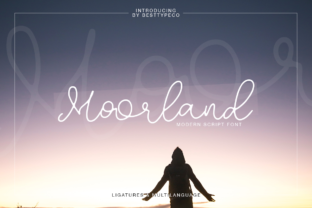
Moorland falls into the script amp category of fonts, distinguished by its fluid, hand-drawn letterforms and expressive swashes. Unlike rigid digital scripts that can feel impersonal, Moorland retains the organic imperfections of true handwriting. For a boutique owner or independent creator, this distinction is vital. It signals to customers that there is a human behind the brand. The mood is sophisticated yet approachable, making it particularly effective for businesses in the wedding, beauty, culinary, and artisan sectors.
The visual appeal of Moorland lies in its versatility as a display font. It commands attention when used at larger sizes but maintains enough structural integrity to remain legible in medium applications. As a creative font, it avoids looking overly trendy or dated, positioning your brand identity as timeless rather than fleeting. When evaluating modern typography for business use, this balance of elegance and readability is what separates a decorative novelty from a functional brand asset.
Elevating Packaging and Product Labels
Packaging design is often the first physical interaction a customer has with your product. Whether you are labeling handmade candles, artisanal jams, or organic skincare, Moorland provides the handwritten charm that suggests care and quality. On product labels, this script font works beautifully for product names or short taglines. The swirly letters create a focal point that draws the eye across a shelf or a digital marketplace thumbnail.
However, practical application requires restraint. While Moorland is stunning for headlines, it should not be used for mandatory regulatory text, ingredient lists, or detailed instructions. Reserve this typeface for the elements you want to highlight emotionally. For example, a coffee roaster might use Moorland for the blend name "Morning Mist" while using a clean sans serif font for the tasting notes and net weight. This hierarchy ensures compliance and readability while maintaining the desired aesthetic.
Consistency Across Digital and Print Touchpoints
Brand recognition relies on consistency. Using Moorland across various platforms helps create a cohesive visual language that customers begin to associate with your business. This consistency builds trust; when your Instagram graphics match your business cards and website banners, you appear established and professional.
- Social Media Graphics: Use Moorland for quote overlays, announcement headers, and Pinterest pins. The expressive nature of the font performs well in vertical formats where bold typography stops the scroll.
- Website Visuals: Implement the font in hero banners or section dividers to add warmth to web design. Ensure you have web-safe alternatives or proper licensing for webfont embedding.
- Customer-Facing Materials: Apply Moorland to thank-you cards, stickers, and invoices. These small details enhance the unboxing experience and encourage social sharing.
- Menus and Signage: For cafés and bakeries, use this handwritten font for daily specials or signature dish names to guide customer choices visually.
Strategic Font Pairing for Professional Results
A common mistake entrepreneurs make is letting a beautiful script font overpower their entire design system. Moorland is a star performer, but it needs a supporting cast. Effective font pairing is essential for maintaining professionalism and ensuring your marketing materials are accessible.
Pair Moorland with a minimalist sans serif font like Montserrat or Open Sans for body copy. The geometric simplicity of a sans serif contrasts perfectly with the organic curves of the script, improving overall legibility. Alternatively, pairing Moorland with a classic serif font can evoke a more traditional, heritage feel suitable for law firms, estate agents, or luxury goods. Always test these combinations at actual print sizes and on mobile screens before finalizing your brand guidelines. What looks elegant on a desktop monitor may become illegible on a product label or a smartphone notification.
Practical Considerations for Business Owners
Before integrating Moorland into your commercial assets, testing is non-negotiable. Print out mockups of your business cards and labels at 100% scale. View your social media templates on a phone screen, not just a computer. Check how the swashes interact with other design elements; sometimes, the elaborate flourishes can collide with logos or borders if spacing isn't adjusted manually. In logo design, you may need to modify specific glyphs or adjust kerning to ensure the wordmark remains balanced and reproducible across different mediums, from embroidered aprons to foil-stamped packaging.
Readability must always trump decoration in business contexts. If a potential client cannot read your service offering or product name instantly, the font has failed its commercial purpose. Use Moorland to evoke emotion, but rely on high-contrast colors and ample whitespace to support the typography. Avoid placing this script over busy photographic backgrounds without adequate overlay or drop shadows, as the intricate lines can easily get lost.
Navigating Commercial Licensing and Usage Rights
One of the most critical aspects of using any premium font for business is understanding licensing. Just because a font is available for download does not mean it is free for commercial use. As an entrepreneur, you must verify that your license covers your intended applications. Standard desktop licenses typically cover branding, packaging, and social media graphics for a single user or business entity.
However, specific use cases often require extended or specialized licenses. If you plan to use Moorland in editable templates for sale, embed it in a mobile app, or use it for merchandise intended for mass retail distribution, you will likely need a different tier of licensing. Always review the End User License Agreement (EULA) provided by the foundry or marketplace. Respecting intellectual property rights is not just a legal obligation; it reflects the integrity of your own business. Supporting type designers through proper licensing ensures the continued creation of high-quality design assets that help small businesses thrive.
Ultimately, Moorland serves as a powerful tool for entrepreneurs who want their brand to feel personal and polished. By applying this typeface strategically—respecting readability, mastering font pairing, and adhering to licensing terms—you can transform standard business materials into memorable brand experiences. The goal is not just to use a pretty font, but to build a recognizable, trustworthy identity that resonates with your target audience and supports your business growth.